Great Leaders of Sri Lanka
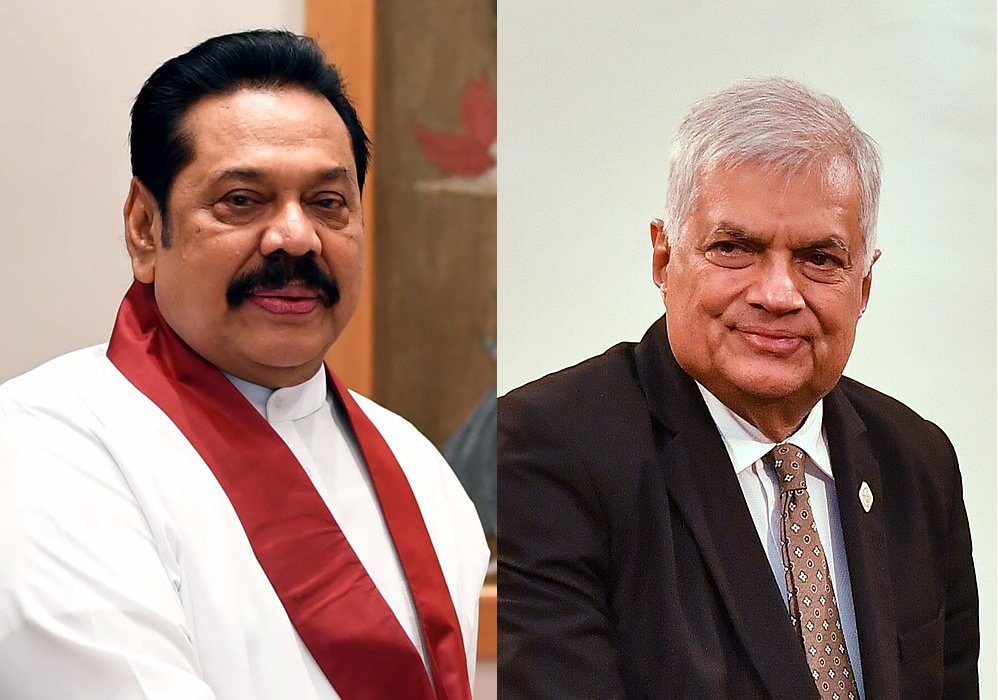
There are two Great Leaders of the recent times in Sri Lanka. They are Mahinda Rajapaksa and Ranil Wickremesinghe who developed the country by clear vision, courage, and the ability to mobilize others toward a common goal. Their political charisma and power followed behind as secondary. They held Democracy & Freedom in high regard to be greatly respected, admired by the country.
Mahinda Rajapaksa
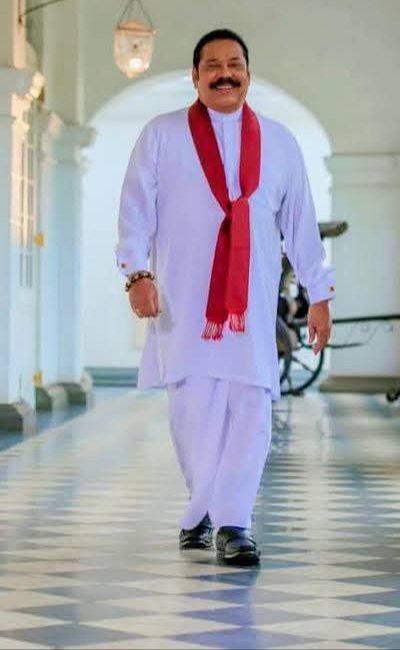
Mahinda Rajapaksa took the country to a high GDP growth and rising Income. There was a strong economic expansion, including growth above 8% in 2010, and a sharp rise in per capita GDP. In 2014 Sri Lanka’s per capita income rose to USD 3,740 and was expected rise to USD 4,400 in 2015
Construction of new expressways
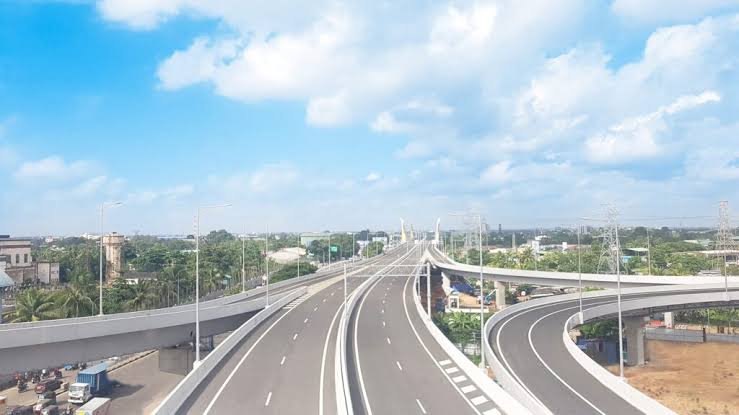
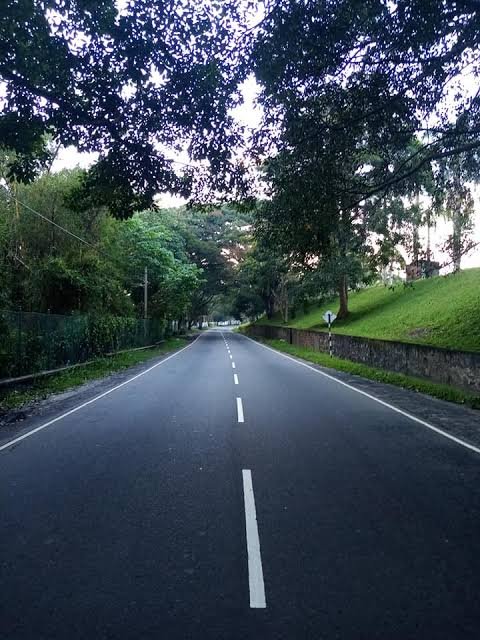
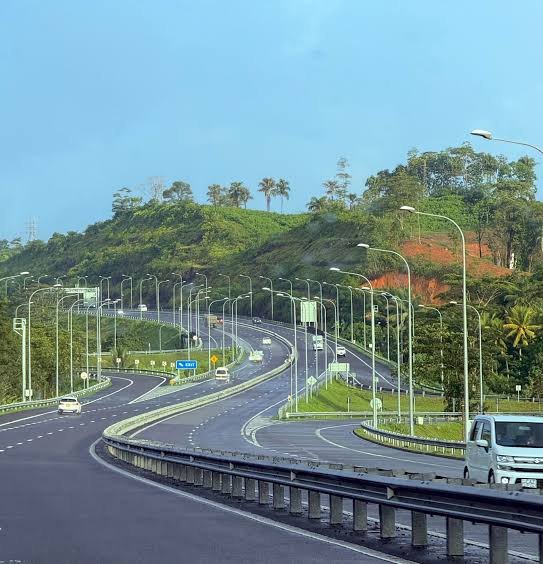
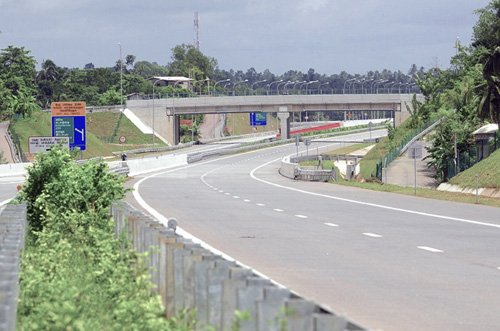
Transportation Infrastructure Upgrade. The construction of new expressways attains a significant landmark in the Mahinda Chintana development program. Building expressways adhered to a mix of international frameworks, regional codes, and national standards.
Southern Expressway (E01).
The 4-lane highway linking Colombo with Galle(116 km) and Matara (161 km). Leaves OCH from Kottawa with exits at Kahathuduwa, Gelanigama, Dodangoda, Welipanna, Kurundugahahetekma, Baddegama, Pinnaduwa, Imaduwa, Kokmaduwa, Godagama(Matara). Completed 15 March 2014.
Outer Circular Highway, OCH (E02)
The 4-lane OCH serves Metropolitan Regions Colombo and Gampaha. It circles 20 km away from the City centre of Colombo, connecting radial routes and has a total length of 29.2 km. From South to North, the OCH statrs from Kottawa (E01 junction), with exits at Athurugiriya, Kaduwela (May 2014), Kadawatha (Upcountry and Northern Expressway junction, Jan 2015), Kerawelapitiya (E03 junction, Sep 2017).
Colombo-Katunayake Expressway (E03)
The 4-lane and 25.8 km highway joins Colombo with Bandaranaike International Airport, Katunayake and Negombo. Exits at New Kelani Bridge, Peliyagoda, Ja-Ela, Katunayake and Kerawelapitiya. Completed October 2013. Kerawalapitiya in Sep 2017.
Upcountry Expressway Phase I
From Kadawatha (E02) to Ambepussa 48.2 km, a 4-lane and 100 km/hr highway, expandable to 6 lanes in future. Exits at Kadawatha, Gampaha, Balabowa, Mirigama and Ambepussa. Started 14 Nov 2014.
Upcountry Expressway Phase II
From Ambepussa to Katugastota 50.7 km, a 4-lane and 80 km/hr highway. Exits at Ambepussa, Dewalegama, Rambukkana, Hatharaliyadda, Hedeniya and Katugastota. Started 14 Nov 2014.
Northern Expressway Phase I
From Mirigama (Upcountry Expressway) to Galewela, a 4-lane and 80 km/hr highway. Exits at Mirigama, Pothuhera, Kurunegala, Melsiripura and Galewela. Started 15 Nov 2014.
Northern Expressway Phase II
From Galewela to Pallendeniya, a 4-lane, 80 km/hr and 39 km highway. Exits at Galewela, Pothupitiya, Dampalassa and Pallendeniya.
Northern Expressway Phase III
From Pallendeniya to Dambulla and connecting to the A9 road to Yapa Patuna from Dambulla.
Major railway development program
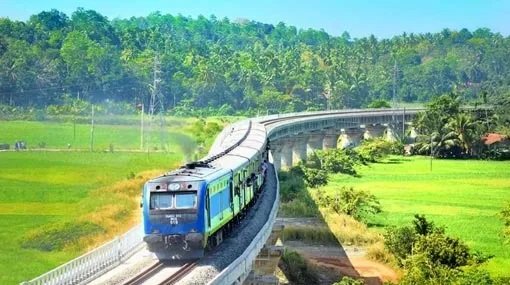
The Southern coastal express railway from Colombo to Matara was opened on 19 April 2012. This is the country’s first high speed railway line, and the line is used by southern inter-city trains which are in operation at 100 km per hour.
The train service on the reconstructed Northern railway line began operations from Omantha to Giranikka (Kilinochchi), after 23 years Saturday 14 September 2013, commissioned on 03 March 2014.
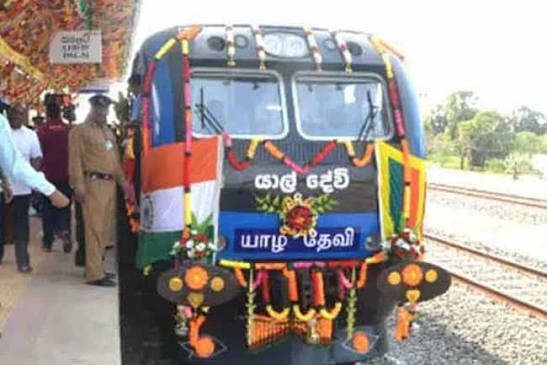
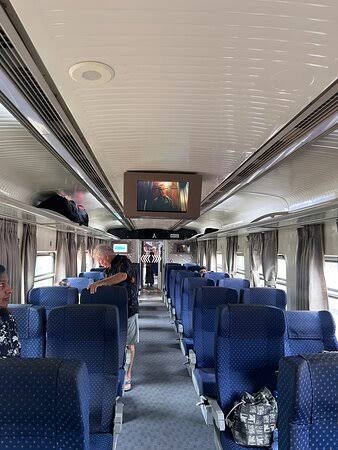
A new luxury air-conditioned train service from Colombo Fort to Palai was also added on 07 March 2014.
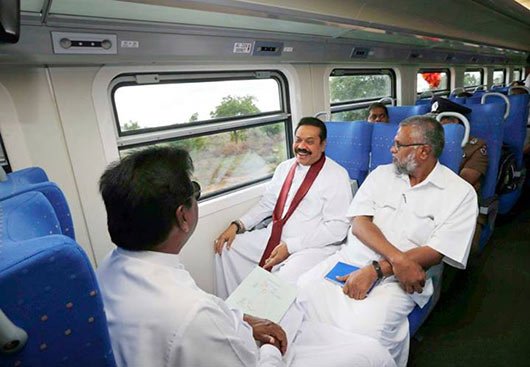
The famous north-bound Yal Devi train resumed carrying passengers to Jaffna 13 October 2014, after a 24-year lapse, when President Mahinda Rajapaksa declared open the Northern Railway Line up to Jaffna joining the inaugural drive as a special passenger.
Yal Devi train commenced services along the 21km stretch from Jaffna to Kankasanthurai, the last station of the Northern Line, on 02 January 2015.
The smooth transport system is saving millions daily cutting down the loss of man-hours on road, fuel consumption, vehicle maintenance and road accidents.
Dairy Industry
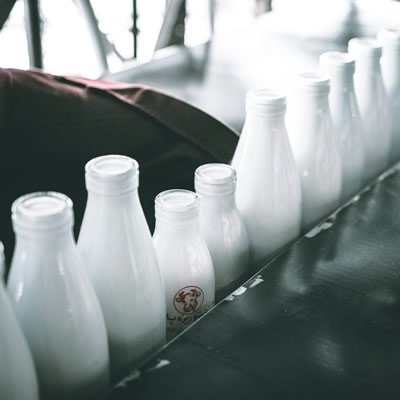
The liquid fresh milk production in 2013 was 320 million litres, an increase of 6.8 percent. Increase in the local milk production led to a decline in the import of milk powder by 17 percent. The local livestock industry was developing fast and enhancing farmer livelihoods, to reach Sri Lanka 100 per cent self-sufficient in domestic dairy production by 2016.

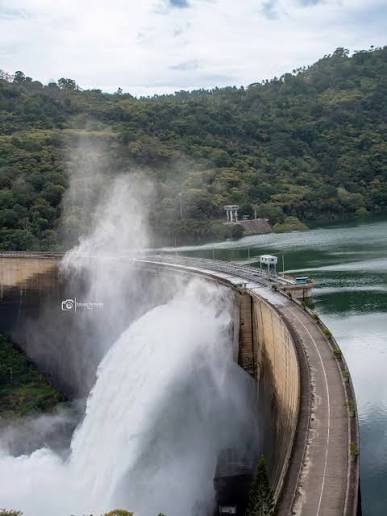
Sugar Cultivation

Ports, Harbours and Power Generation
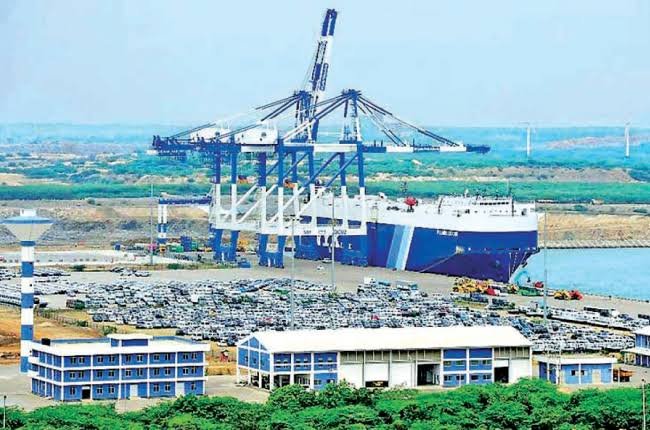
The Port of Hambantota, opened in November 2010, now serves ships travelling along one of world’s busiest shipping lines – the east-west shipping route. Its services aim at bunkering facility, tank farms, ship-repair, warehousing, transhipment operations, container terminals and a dockyard making it the largest port in South Asia.
The Fuel bunkering Terminal and Storage Facility were completed on 22 June 2014. The terminal started releasing fuel to vessels in July 2014. The income from refueling foreign ships recorded Rs.740 billion to end of July 2014.
Mahinda opened Colombo South Port on 05 August 2013. The new port is the only port in South Asia with deep water terminal facilities handling the biggest Triple-E Class vessels carrying 18,000 containers. The Colombo Port Expansion Project (CPEP) opens 10,000 direct and 15,000 indirect employment opportunities.
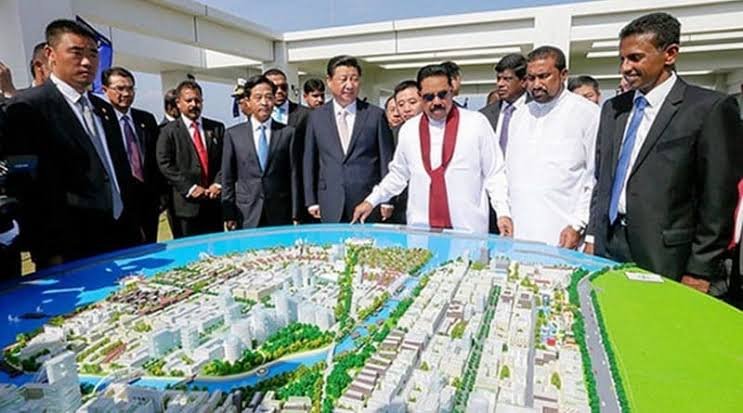
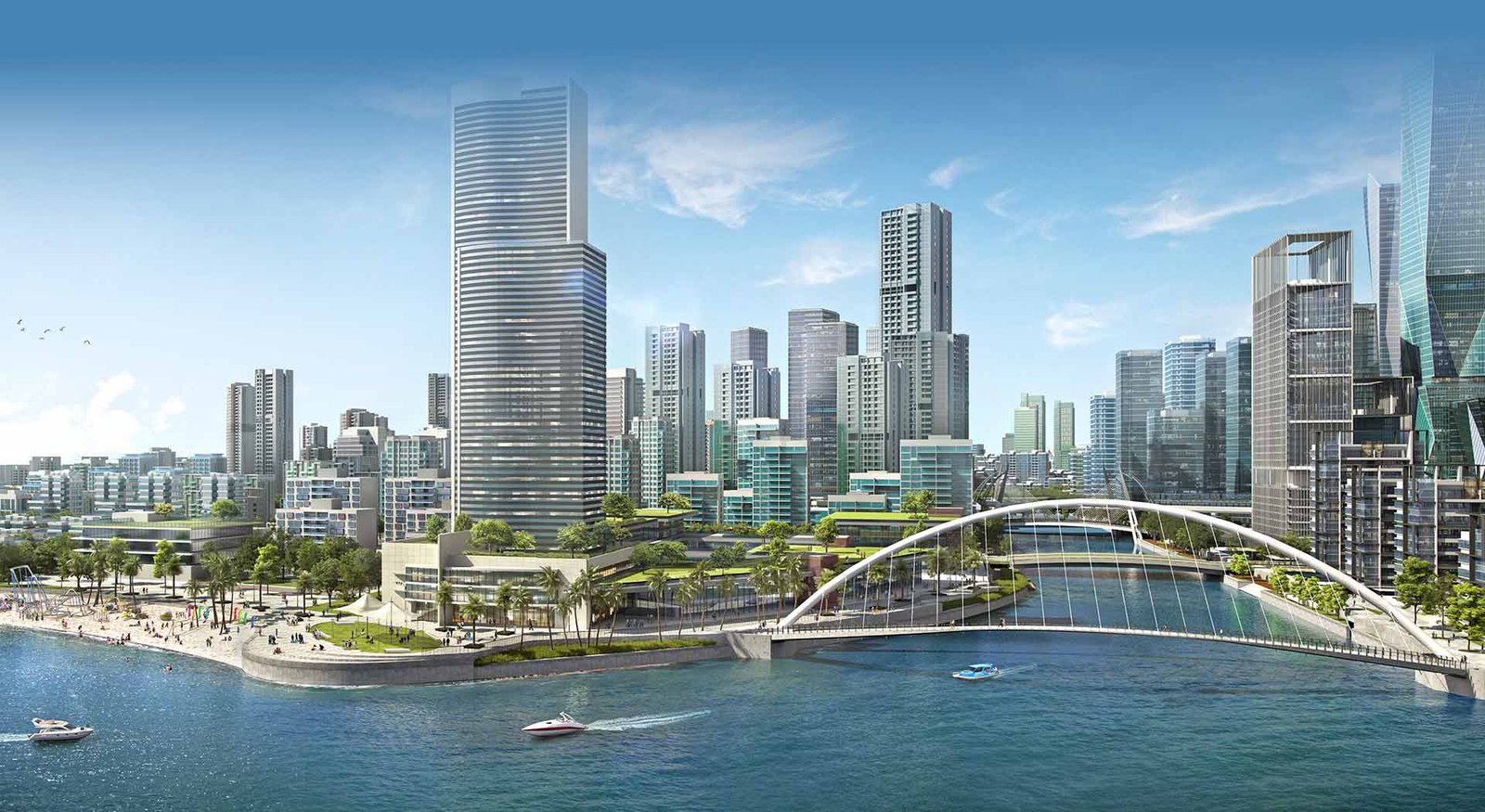
The Colombo Port City Project was launched by Chinese President Xi Jinping and President Mahinda Rajapaksa at a grand ceremony on 17 September 2014. Colombo Port City is an offshore city in Colombo which is planned to be built on reclaimed land adjacent to the Galle Face Green. This will be foreign direct investment of around US$ 1.5 billion for the land development that has potential to attract around US$ 5 billion from all over the world. This massive project will generate a huge number of direct and indirect job opportunities. The port city comprised with sport complexes, mini golf ground, housing and office complexes, luxury hotels and many other modern facilities.
Education
The Mahindodaya programme reawakening 1000 schools countrywide was launched with the presentation of the technology laboratories to the students of Mahinda Rajapaksa Vidyalaya in Homagama, and of Kotalawalapura Maha Vidyalaya, Ratmalana on 28 July 2012.
The programme implements the concept to create 1000 popular schools in every area with all educational facilities currently confined to schools in cities.
The Mahindodaya technological and science laboratory comprises separate laboratories for science, mathematics, language, information and communication, and a distance education unit. There are 830 schools undergoing conversion as of March 2014, out of which 409 schools in the first batch received the completed laboratories by August 2013.
The second batch of completed laboratories has been installed in 194 schools by March 2014. The students of the converted schools can follow courses in the technology stream.
The new ‘Technology’ stream was officially launched 20 June 2013 as the fifth stream to the A/L examinations which comprised so far Science, Mathematics, Commerce and Arts streams. President enrolled the first student of the new stream from Devi Balika Vidyalaya Colombo, over live satellite communication.
Three new subjects, namely Engineering Technology, Science for Technology and Bio System Technology were introduced and teaching commenced in August 2013. A turning point in the education system in Sri Lanka, students can now become engineering and bio-medical professionals without taking the conventional route along the Bio Science and Physical Science streams.
New Bachelor of Technology (BTech) degree courses in Civil, Mechanical, Electrical, Irrigation and Aeronautical Engineering, Agro-Technology, Robotics and much more aiming to meet present-day trends and requirements will be introduced. The graduates aiming for specialised careers may proceed to relevant secondary or higher degrees to become engineers, doctors, medical and other professionals, who would be attached to recognized professional bodies.
Lawyer and Politician
Mahinda Rajapaksa (born November 18, 1945, Weeraketiya, Sri Lanka) was brought up as a Buddhist. He received a law degree from Colombo Law College in 1974. He is a Sri Lankan politician who served as president of Sri Lanka from 2005 to 2015, and later served as prime minister (2019–22). He is a great statesman.
Mahinda Rajapaksa secured the vital international support and successfully accomplished in 2009 an amazing humanitarian operation against the LTTE terrorism which the Federal Bureau of Investigation (FBI) of the United States identified as one of the “most dangerous and deadly extremists in the world”.
Read the FBI January 2008 report and accompanying article titled “Taming the Tamil Tigers”. The forces rescued nearly 300,000 hostages from the clutches of the LTTE terrorists.
Rural and Regional Road Development
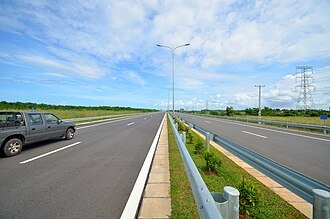
During Mahinda Rajapaksa’s presidency (2005–2015) and later tenure as Prime Minister, road and expressway expansion was a central pillar of his administration’s infrastructure drive in Sri Lanka. Under the ‘Rural and Regional Roads’ development, around 13,000 kilometers of roads were developed during his presidency. As Prime Minister he helped launch a national programme to develop 100,000 kilometers of roads in February 2020, and inaugurated six road and flyover projects for Colombo and Kandy in June 2021.
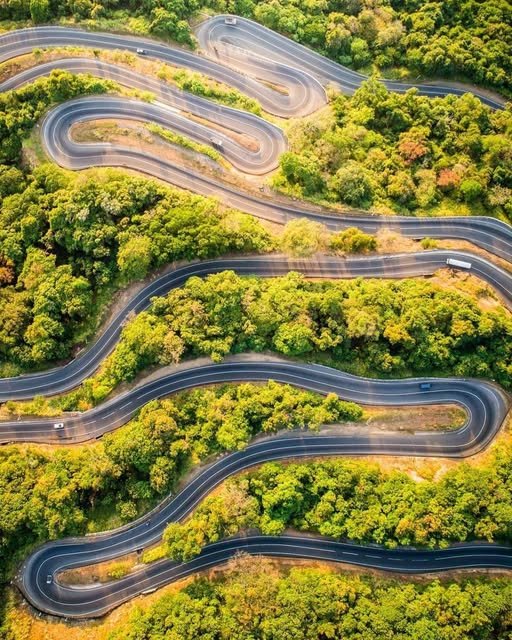
The road between Kandy and Mahiyangana that includes the well-known 18 hairpin bends was opened on 6th May 2012 after renovation. The road now provides motorists a safer and a comfortable journey reducing travel time from four to one and a half hours. This marvel has some of the most spectacular scenery for travellers between the hill countries and the eastern plateau.
Food Security, Food Self-sufficiency
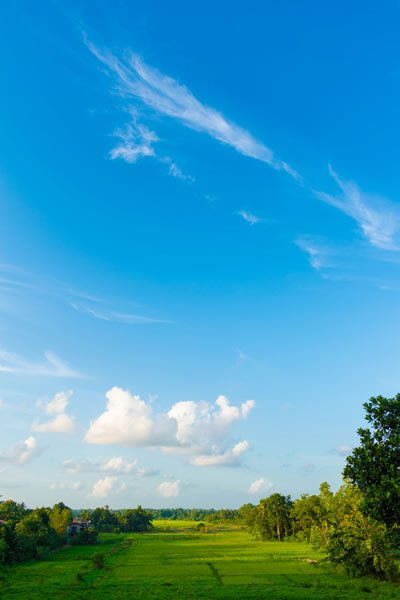
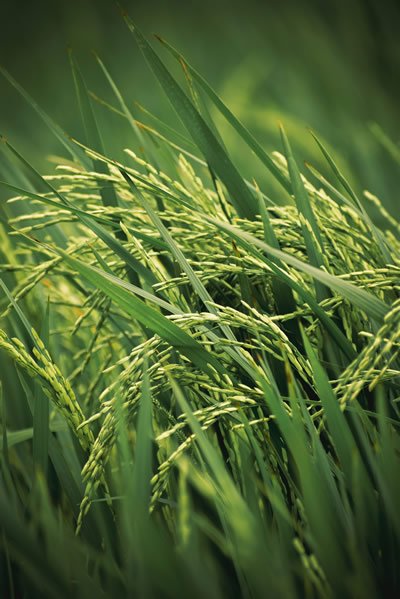
Mahinda Rajapaksa Sri Lanka enjoyed rice self-sufficiency, and sent surplus to African countries.
The country achieved self-sufficiency in maize and the excess was exported. Yala season 2013, the estimated soybeans harvest was 30,000 MT, 94% yearly increase. Farmers received Rs. 80 per kg of soybeans in September, October 2013 and a further higher price from November. Additionally, a kilogram of maize fetched Rs. 32.00 to 35.00.
The government purchased paddy harvest at a fixed price from the farmers, maintaining a stable price of rice in the market. The Budget 2015 saw the minimum guaranteed price for a kilogram of paddy increased to Rs.40, while providing seed paddy free of charge to the farmers.
The Paddy Marketing Board (PMB) purchased the highest paddy harvest of 131,000 metric tons at a total cost of Rs.487 million during the 2012/2013 Maha Season for the first time in Sri Lankan history.
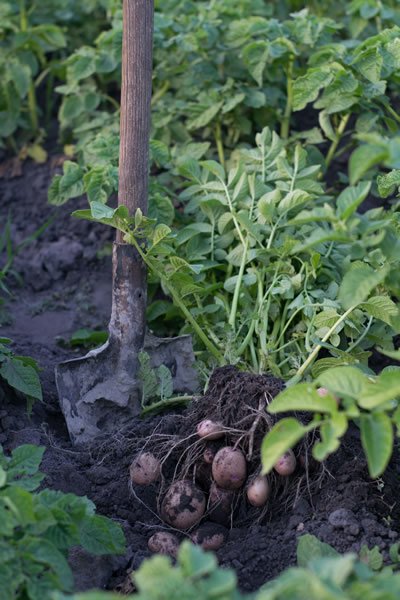
Farmers received guaranteed prices of Rs. 80/kg for potatoes, and from 27 November 2014 Rs. 90/kg for big onion.
The Rs.350 fertilizer subsidy that the paddy farmers enjoyed for years is extended for cultivators of maize, green gram, cow-pea, chillie, vegetables and undu.
Organic fertilizer producers received a certified price of Rs.450 for a 50Kg pack of fertilizer. There were no direct and indirect taxes for organic fertilizer transportation.
Clean Drinking Water, Rainwater Harvesting, Reservoir Renovation and Water Management
90% of the population have access to clean drinking water. Clean drinking water provision is wide-spread. In 2014, 48% of population have access to clean pipe-borne water, with target to reach 65% by 2020.
Mahinda launched the Rajarata Tank Rehabilitation Programme (2012) to renovate dilapidated tanks and irrigation systems in the Rajarata area, targeting around 1,100 medium and minor irrigation schemes in the North Central Province.
Dry-Zone & Mahaweli Tank Renovations (2012) initiated tank renovation works—such as six tanks in the Mahaweli G Zone—amid drought conditions to improve water storage for farmers
Morana Reservoir Irrigation Project (2014) addressed Yala-season water scarcity in the Nagadeepa scheme and expand irrigated land, with an estimated cost of Rs. 1,700 million
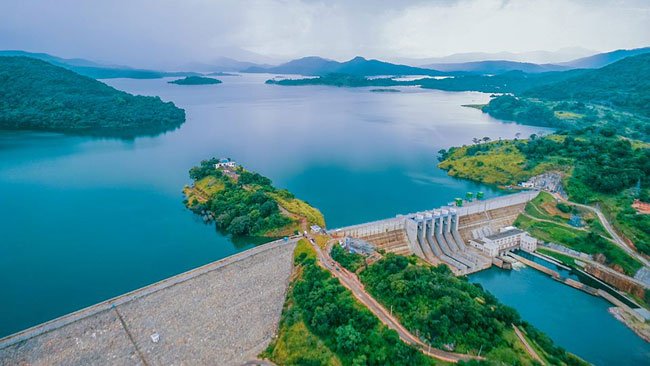
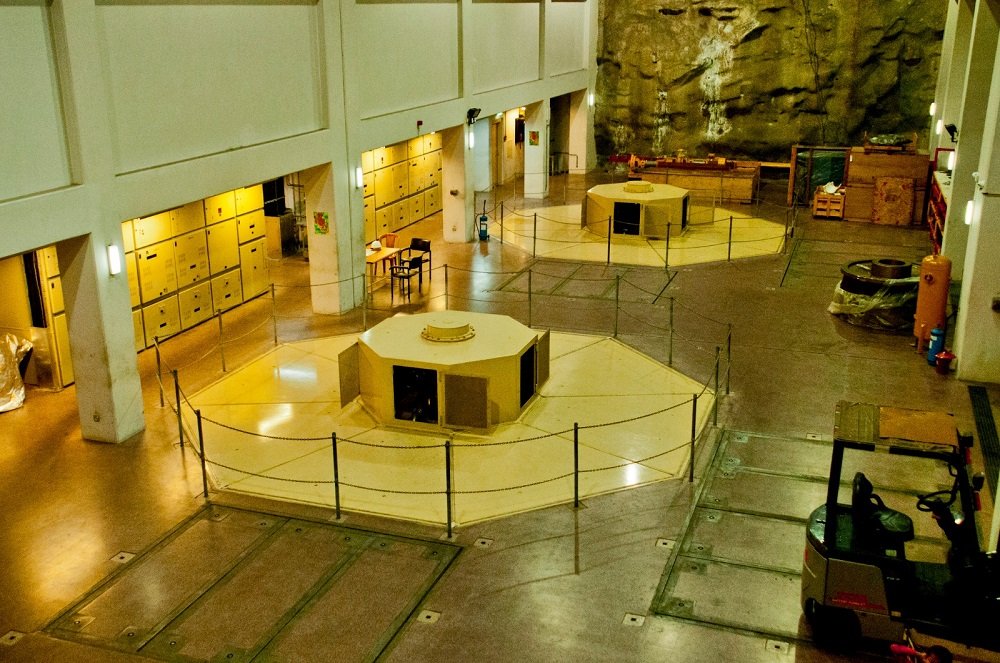
Major Reservoir Construction & Expansion saw major water infrastructure projects, including the Moragahakanda reservoir project (launched in 2007 and completed in 2018) and the Uma Oya multi-purpose project (initiated in 2008). The underground powerhouse accommodates the turbines, a switch yard and connection to the transmission lines. The Uma Oya Underground 122 MW Power Plant generates 290 GWh of energy annually to the National Grid.
Mahinda started 5,000-Tank Renovation Drive in 2020 including 500 small tanks inside reserves for wildlife—and major canal/water transfer projects such as Uthuru Meda Maha Ela and Wayamba Ela.
Mahinda commissioned the Rs 3.9 billion Rambakan Oya reservoir dam and irrigation project that will provide direct benefits to 2000 farming families and indirect benefits to 23,000 families. 3500 acres of land will come under the plough in the Maha and Yala.
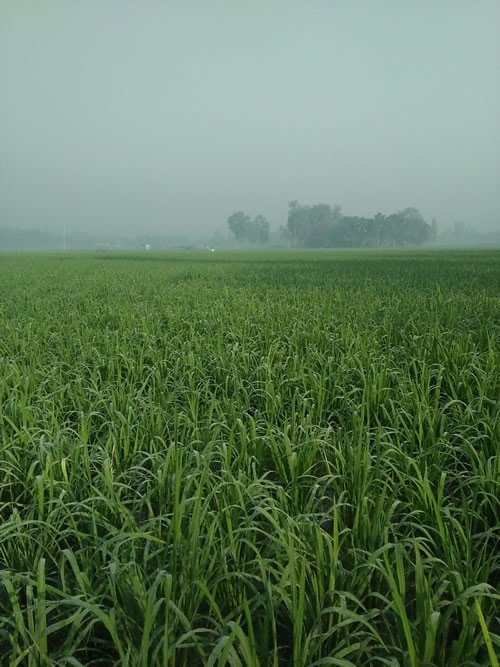
Sri Lanka spends a staggering Rs. 55 billion per year for importing sugar and another Rs. 15 billion for the spirit import. Mahinda appointed a Minister to oversee the subject of sugar in 2013. 130,000 hectares of land have been allocated for sugarcane cultivation.
The two sugar cane factories in Sevenagala and Pelwatte showed profits of Rs. 1486 million by the end of December 2013. The revitalized Hingurana Sugar Factory managed by Gal Oya Plantations (Pvt) Ltd reported on 21 December 2014 its highest one year sugar production of 19,960 after 38 years, through successful 3,440 ha of sugar cane cultivation.
The budget 2015 set the sugar cane purchasing price from farmers at Rs. 4500 per metric ton. The country was aiming for sugar self-sufficiency by 2019.
Power Generation
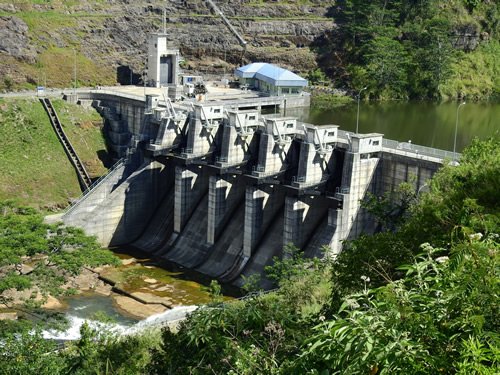
The country saw the Upper Kotmale Hydro Power Plant open on Saturday 14th July 2012, meeting another target of the Mahinda Chintana. This is the largest hydropower generation project in the country adding 150 megawatts to the national electricity grid.
Hunugama (Chunnakam) Grid substation connecting the Jaffna peninsula with the national grid was commissioned 14 September 2013. The 63 MW power project cost Rs 1.8 billion. Over 120,000 households and the small and mega scale industries in the peninsula will be supplied electricity from the national grid supported by the 24 MW Uthuru Janani Power Plants.
The largest solar power plant was commissioned in Hambantota on 19 March 2013. The Japan-funded 737kW power plant has been constructed at Baruthankanda at a cost of 1.025 billion rupees. The power plant falls within alternative sources for energy generation under the Mahinda Chinthana, the Vision Ahead.
The completion of the programme to provide electricity 100% to all homes in the country was attained by the end of 2014.
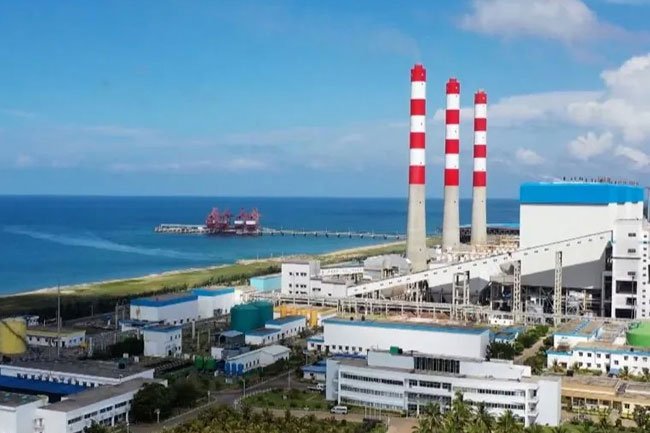
The phase 3 of Lakvijaya power plant was commissioned by President Mahinda Rajapaksa and President Xi on 16 September 2014. It will add 900 MW to the national grid bringing the total capacity to 3900 MW enabling the country to supply quality power at a low rate.
The first batch of students would sit the examination, under the new stream, in 2015. The O/L and A/L dropouts can follow vocational courses at technological institutions and obtain National Vocational Qualification (NVQ). They can continue this vocational training up to NVQ Level 7 that is equivalent to a degree. The government will establish 20 university colleges while the private sector will establish five university colleges offering vocational and professional training for NVQ students to finish up with a degree.
President inaugurated the national project for the construction of 250 Mahindodaya Technical Faculties at the ceremony held at Lumbini Vidyalaya in Colombo on 2nd June 2014. Each faculty will be equipped with a comprehensive laboratory suited for vocational training. The project will complete within 6 months in 2014.
The laboratories built under this project will be in addition to the Mahindodaya programme in which 1000 schools are upgraded with its own technological and science laboratory.
The Technical Faculties open the path to university selection through vocational training. The entrants can achieve both professional and academic qualifications in their chosen fields.
50,000 teacher assistants to rural schools will be recruited in 2015.
Sri Lanka’s first Prison School ‘Sunitha” equipped with a Mahindodaya technological and science laboratory was established in Watareka, Homagama on 21 March 2014. The main objective of this initiative is to provide education for the prisoners aged between 20 and 30.
Marking one more turning point, 1000 Dhamma School teachers with the Buddhist Dharmacharya qualification were awarded appointments as Teachers of Dhamma Schools for the first time by the Education Ministry, 18 February 2014.
Pirivena education plays a vital role in the country’s education sector and funds from the 2014 budget are allocated for the first time and followed by the 2015 budget to develop Pirivena education.
Ranil Wickremasinghe
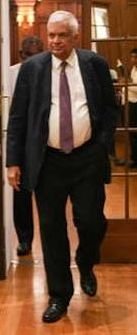
Ranil Wickremesinghe was born on 24 March 1949, and entered the Faculty of Law of the University of Ceylon at its Colombo Campus around 1969. After graduation, he completed the law exams at the Ceylon Law College and took oaths as an advocate in 1972. He became an Attorney at law following the changes to the legal profession in 1973.
The 2022 economic collapse in Sri Lanka
The 2022 economic collapse in Sri Lanka was the worst financial and humanitarian crisis in the nation’s history since gaining independence in 1948. Triggered by a severe shortage of foreign exchange reserves, the crisis culminated in Sri Lanka’s first-ever sovereign debt default in April 2022, hyperinflation, acute shortages of basic necessities, and mass political upheaval that ousted the ruling government.
What went wrong with the economy
The loss of Tourism and remittance shocks was the root cause that created the Economic Collapse. The 2019 Easter Sunday bombings and the COVID-19 pandemic devastated tourism and slowed foreign worker remittances—two of Sri Lanka’s primary sources of foreign currency.
Sri Lanka is an import-oriented economy. The country depends on imported goods and other necessities like food, fuel, gas, paper, sugar, lentils, medications, and transportation equipment. Even basic consumables such as flour, eggs, spices, ginger, turmeric, potatoes and the likes are imported today.
An economic crisis was waiting to happen and it did happen in 2022, and it was not the fault of who ran the country at the time.
Stabilisation of Economy
Ranil Wickremesinghe came forward and was sworn in as President in July 2022 and took up the responsibility to turn things around for better. Gross official reserve stood at US$1.85 billion which included a restricted US$1.5 billion swap facility from the People’s Bank of China that could not be freely spent on imports. Usable Liquid Reserves had dropped to near zero.
Just weeks before Ranil Wickremesinghe became Prime Minister on 12 May 2022, Sri Lanka declared sovereign default and suspended foreign debt repayments on 12 April 2022 because its usable foreign currency had been exhausted.
Ranil Wickremesinghe Rescue Strategy
Upon taking office in mid-2022, President Ranil Wickremesinghe pursued a three-pronged crisis stabilization strategy combining strict fiscal austerity and IMF-backed debt restructuring, supply-chain rationing to end essential shortages, and security crackdowns to restore public order.
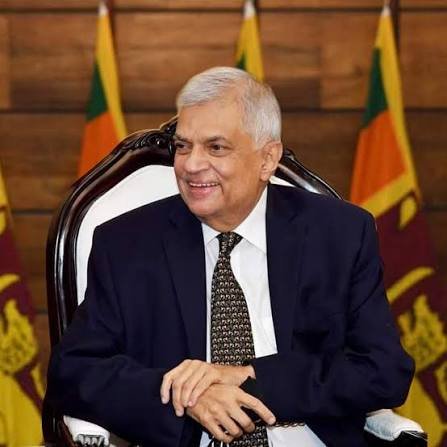
1. IMF Bailout, Austerity, and Debt Restructuring
To unlock international financing after Sri Lanka’s April 2022 sovereign default, Wickremesinghe reversed earlier populist tax cuts and pursued aggressive fiscal consolidation:
- IMF Staff-Level Agreement. His government negotiated a preliminary US$2.9 billion four-year Extended Fund Facility with the International Monetary Fund in September 2022, conditioned on raising state revenue and achieving a primary budget surplus by 2025.
- Steep Tax Increases and Subsidy Cuts. The administration significantly raised personal income taxes, corporate taxes, and Value Added Tax (VAT), while moving utilities (electricity and fuel) toward cost-reflective pricing to halt losses at state-owned enterprises.
- Bilateral Bridge Financing and Debt Talks. While formal debt restructuring talks began with international bondholders and major bilateral creditors (China, India, and the Paris Club), the government relied heavily on roughly US$4 billion in emergency credit lines and aid from India, alongside support from the World Bank and Asian Development Bank, to stay afloat.
Is Sri Lanka facing next economic crisis
Sri Lanka is not currently facing an imminent repeat of its 2022 economic collapse, though it remains exposed to debt pressures and external shocks. The World Bank and the Central Bank of Sri Lanka (CBSL) report continued post-crisis stabilization and GDP growth back near pre-crisis levels, while some critics and analysts warn of lingering vulnerabilities.
There is an unpredictability of the economic determinants during the mid 2027 period. The IMF will have left and the country will be unprotected. The lenders will call for debt settlement. The country will be experiencing the true realities at that time.
Signs of Stabilization
- Economic Growth: Real GDP grew 4.7% in the first half of 2026, marking 12 consecutive quarters of expansion and bringing output back to 2018 levels, with full-year 2026 growth projected around 3.6% to 4.4%.
- Reserves and Credit: Foreign exchange reserves have recovered to roughly $6.9 billion–$7 billion, and private-sector credit rose 27% year-on-year in 2026.
- Financial & Credit Standing: The CBSL reported that financial system capital and liquidity buffers remained adequate in the first half of 2026, and Fitch Ratings upgraded Sri Lanka to B- from CCC+ in September 2026.
- Official Outlook: CBSL officials stated in late October 2026 that current data does not point to another crisis in 2028 despite 2027 debt repayment uncertainties.
Lawyer and Politician
Ranil Wickremesinghe is a veteran Sri Lankan politician and lawyer who served as the 9th President of Sri Lanka from July 2022 to September 2024 and held the office of Prime Minister six times. He has been the leader of the United National Party (UNP) since 1994 and served in the Parliament of Sri Lanka for over four decades after first entering in 1977.
During his presidency from July 2022 to September 2024, Ranil Wickremesinghe presided over the macroeconomic stabilization of Sri Lanka following its historic sovereign debt default. Foreign exchange reserves dropped to critical lows, resulting in severe shortages of fuel, food, and medicine, alongside 12-hour power cuts and inflation nearing 70%.
During presidency, his administration negotiated a $3 billion International Monetary Fund (IMF) bailout and initiated debt restructuring and austerity measures. His actions saved the economy miraculously.
President Gotabhaya Rajapaksa was in power and he was overwhelmed by the Covid pandemic spreading right across the island. The whole world was swallowed by the pandemic. Gotabhaya concentrated on saving people. He got the Sri Lankan expats stranded in other countries back home, imported the urgent supplies of the vaccine for Covid. The tourist arrival stopped totally, foreign worker remittance halted and the country ran out of dollars. Sri Lanka had imported a greater value than it exported. The foreign reserve sank to bottom as it met the payments for imports.
Sri Lanka faced a massive shortage of essential items. Soaring inflation, piles of foreign debt, devalued currency, and depleting foreign currency; the Sri Lankan government is going with everything wrong for the nation’s economy. There was no petrol, no gas, no medicine, queues began to run on every road for any left overs. Protests, riots, road slogs, burning down houses, killing MPs were hapenning. The situation in Sri Lanka was so bad that people started protesting against the policies of President Gotabaya Rajapaksa. The shortage of dollars triggered off a major crisis.
President Gotabaya Rajapaksa decided to step down. He invited every political leadership but they all declined. None of them had even a ghost of an idea about the economy.
Following the implementation of an International Monetary Fund (IMF) programme and external debt restructuring, Sri Lanka’s gross official reserves gradually rebuilt from that mid-2022 low to surpass US$5.9 billion by September 2024, which he passed on to the next incoming government.
The essential items appeared on the high street.
He knew exactly where the problem laid and started getting dollars to balance out the deficit and sought advice from the IMF.
In Sri Lanka, the internal balance directly depends on the external balance because the country’s internal economy is import-dependent. So first correct the external balance amply before letting the internal economy balance adjust out itself.
2. Rationing and Supply-Chain Stabilization
With usable foreign exchange nearly exhausted and inflation peaking near 70% in August–September 2022, the government focused on eliminating the multi-day queues for fuel, cooking gas, and medicine:
- National Fuel Pass (QR System). In July–August 2022, authorities rolled out a digital QR-based fuel rationing system tied to vehicle registration numbers. This curbed hoarding and black-market sales, cutting monthly fuel import bills roughly in half (from ~US$500 million to ~US$230 million) and clearing petrol station queues within weeks.
- Market Liberalization and Import Controls. Parliament passed legislation in October 2022 opening Sri Lanka’s retail fuel market to foreign operators (such as China’s Sinopec) to ease foreign exchange pressure on state-run Ceylon Petroleum Corporation, while maintaining strict import restrictions on non-essential goods to conserve dollars.
3. Security Crackdown and Political Consolidation
Having been elected President by Parliament rather than a popular vote—largely backed by the ruling SLPP party loyal to the ousted Rajapaksa family—Wickremesinghe faced intense legitimacy challenges from the Aragalaya protest movement:
- State of Emergency and Clearing Protest Sites. Immediately upon becoming Acting President and President in July 2022, he declared a state of emergency and deployed military and police forces to raid and clear the main GotaGoGama protest camp in Colombo on 22 July.
- Use of Security Laws. Authorities arrested dozens of protest leaders and activists, utilizing emergency regulations and the Prevention of Terrorism Act (PTA) to deter further demonstrations—a move widely criticized by human rights groups and the United Nations, though supporters argued it restored institutional stability required for economic recovery.
Key Risks and Criticisms
- Heavy Debt Burden: Debt service remains a major strain on public finances, with upcoming repayments consuming a large share of government revenue even as officials state Colombo has liquidity for near-term obligations.
- External Shocks & Oil Costs: Conflict in the Middle East and higher oil import bills—which reached over $4.4 billion by August 2026—pose downside risks to growth, inflation, and external balances.
- Climate & Household Strain: Recovery from November 2025’s Cyclone Ditwah required an estimated $3.4 billion, while the World Bank notes household incomes, jobs, and poverty levels still lag pre-crisis conditions. The next administration will inherit a massive development and maintenance projects. Rebuilding houses, villages, reestablishment of agricultural programs need billions of dollars and the right technology. A British-style reconstruction project for the upcountry railways combined with an advanced environmental maintenance program, reconstruction of Peradeniya railway bridge will be among the priorities of the next government.
- Political Warnings: Opposition figures, such as former MP Rajitha Senaratne, have warned of renewed crisis and bankruptcy risks under current economic management, whereas the government’s 2027 budget aims to sustain stability and reduce debt-to-GDP over time.