Things to see and do in Colombo
There are many top attractions to visit when you are in Colombo. You can enjoy the sites and activities in short trips by tuk-tuk, cabs or public transport.
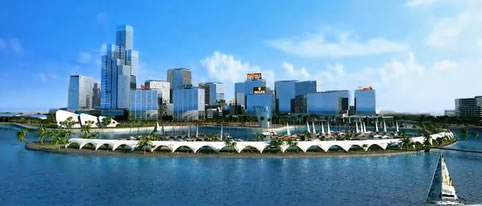
Port City Colombo: is a multi-services special economic zone located in Colombo which is currently under construction on reclaimed land adjacent to the Galle Face Green.
National War Memorial, Colombo: The National War Memorial in front of the Parliament complex is dedicated to all security and military personnel killed in World Wars I and II and the humanitarian operation conducted against the LTTE terrorism for 33 years.
Mount Lavinia Beach: Mount Lavinia Beach is located just south of the Colombo city. It is the ideal spot for relaxation. The beach is a hub of activity in the late afternoon sun. To unwind the day you may stroll along the stretch of coastline. Mount Lavinia Beach is a must visit.
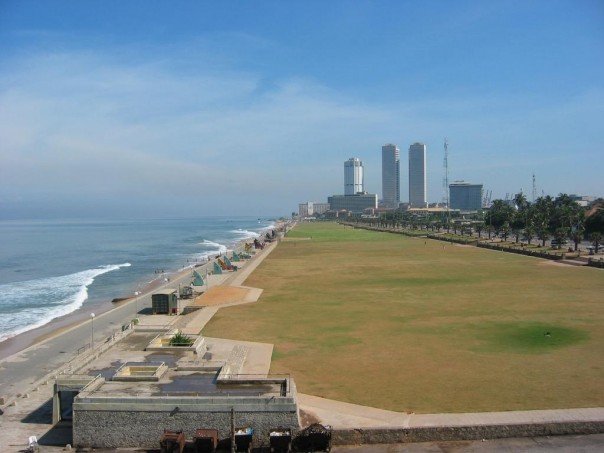
Galle Face Green: A Must-Visit Spot in Colombo. The open seaside space is perfect to relax, for evening walks in pleasant sea breeze, watching the sunset, and enjoying local street food.
Colombo National Museum: The Colombo National Museum, also known as the Sri Lanka National Museum, is a museum in Colombo and the largest in Sri Lanka. It archives collections of exhibits of significant importance to Sri Lanka, such as the regalia of the Kandyan monarchs, as well as many other exhibits relating the country’s cultural and natural heritage.
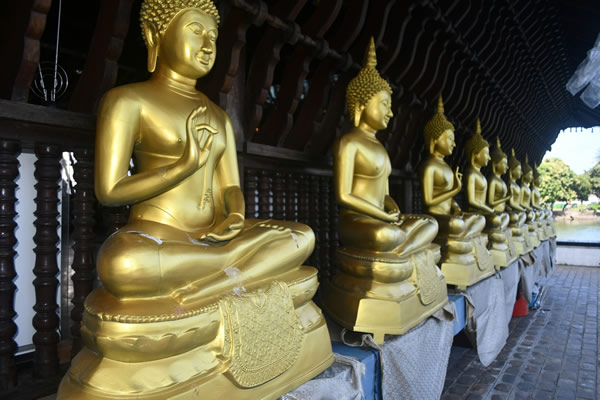
Gangaramaya Temple: This is the most peaceful and tranquil place near bustling Colombo. Gangaramaya Temple traces its origins back to the late 19th century when it was founded by the venerable Buddhist monk, Hikkaduwe Sri Sumangala Nayaka Thera. The temple is known for its museum-like interior featuring historical artifacts.
Dutch Hospital Shopping Precinct: The building was built as a hospital by the Dutch and it reflects seventeenth-century Dutch colonial architecture. In 2011, it has been transformed into a shopping and dining precinct, where the historic architecture has been preserved. Visit upmarket restaurants and stores. Have an amazing dinner of legendary ‘mud crab’ at ministry of crab restaurant.
The National War Heroes Memorial
The National War Memorial is premised in front of the Parliament complex. It is dedicated to all war heroes killed in World Wars I and II and the humanitarian operation conducted against the LTTE terrorism for 33 years.
In a January 2008 report and accompanying article titled “Taming the Tamil Tigers,” the Federal Bureau of Investigation (FBI) of the United States identified the Liberation Tigers of Tamil Eelam (LTTE) as one of the “most dangerous and deadly extremists in the world”. The FBI credited the LTTE with inventing the suicide belt and pioneering the use of women in suicide attacks, noting their extensive use of these tactics. The FBI stated that the LTTE’s tactics influenced terrorist networks worldwide, including al Qaeda in Iraq. The FBI described the LTTE as a “ruthless” group known for assassinating world leaders, including a Sri Lankan president Ranasinghe Premadasa and an Indian prime minister Rajiv Gandhi. The FBI noted that the group had placed operatives in the United States to raise funds for its campaign of violence.
The U.S. State Department officially designated the LTTE as a Foreign Terrorist Organization (FTO) on October 8, 1997. The LTTE is a proscribed terrorist organization in many countries worldwide.
The LTTE massacred 146 Buddhist pilgrims at Anuradhapura Sri Maha Bodhiya on Vesak day 14 May 1985; massacred 33 young novice Buddhist Bhikkus and four civilians at Aranthalawa on 2 June 1987; bombed the Sri Dalada Maligawa in Kandy, a UNESCO designated World Heritage Site venerated by Buddhists all over the world, killing 23 Buddhists on 25 January 1998. The LTTE cold-bloodedly butchered 147 Muslim devotees, praying in mosques in Kattankudy, Batticaloa on 3rd August 1990. The LTTE killed many Hindu priests and Christian Clergy, farmers, villagers, office workers, train and bus travelers, school children and government officials in their thousands. The UN estimated a total of 80,000–100,000 deaths.
Galle Face Green
Galle Face Green is a 12 acre ocean-side urban park, which stretches for 500 m (1,600 ft) along the coast, in the heart of Colombo. The promenade was initially laid out in 1859 by Governor Sir Henry George Ward, although the original Galle Face Green extended over a much larger area than is seen today. It is a great place to relax and enjoy the ocean breeze in Colombo. The wide open space, street food stalls, and local vibe make it memorable.
Gangaramaya Temple
Gangaramaya Temple, located in Colombo, traces its origins back to the late 19th century when it was founded by the venerable Buddhist monk, Hikkaduwe Sri Sumangala Nayaka Thera. The temple was established during a period of significant social and religious change in Sri Lanka, as Buddhism experienced a resurgence following centuries of colonial rule.
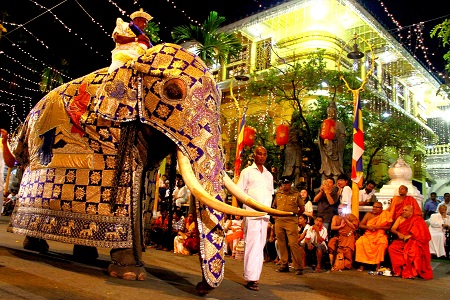
Over time, Gangaramaya Temple has become renowned for its vibrant festivals, religious ceremonies, and charitable initiatives. The temple’s annual Perahera (procession) attracts thousands of devotees and visitors, who come to witness the colorful spectacle and pay homage to the sacred relics and artifacts displayed during the event.
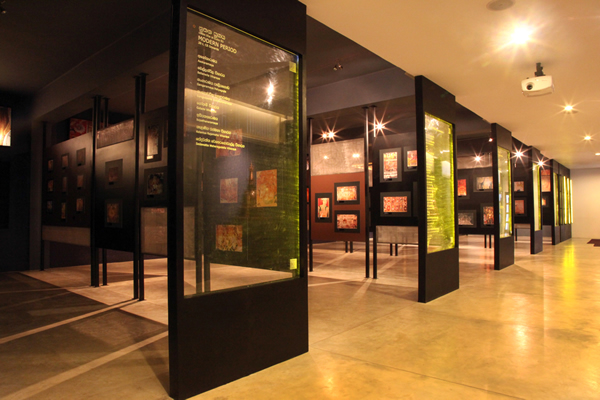
Welcome to Gangaramaya Museum, a sanctuary of cultural preservation and historical exploration nestled within the serene confines of Gangaramaya Temple. Immerse yourself in the wealth of Sri Lanka’s heritage as you wander through the halls, where ancient artifacts, rare coins, and exquisite statues offer a glimpse into the country’s storied past.
Its ornate architecture, serene surroundings, and rich history continue to attract pilgrims and tourists from around the world, who come to experience the spirituality and tranquility of this sacred site.
Colombo Port City
The Port City Colombo is a multi-services special economic zone located in Colombo, which is currently under construction on reclaimed land adjacent to the Galle Face Green. The land reclamation work had been completed as of January 2019. Port City Colombo is a multi-billion-dollar FDI-funded Public Private Partnership.
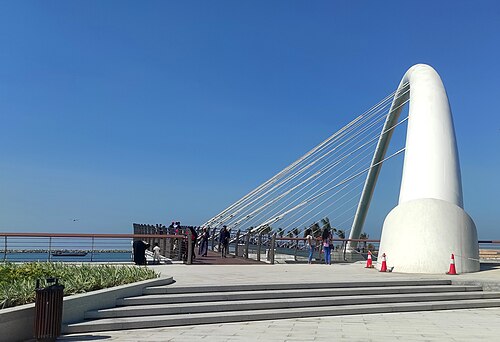
Port City Colombo is located in the metropolis of Colombo. Stroll down along the Galle Face Green and you see the pedestrian bridge at the Port City. The views across the marina and the city from the bridge are amazing.
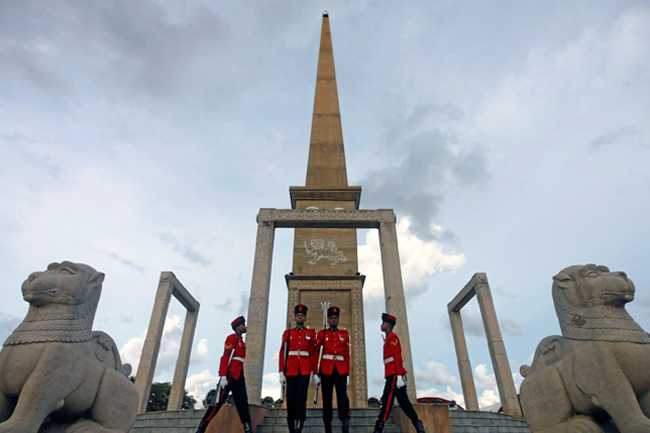
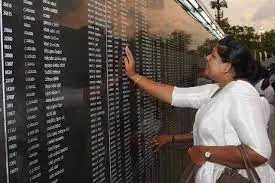
Mahinda Rajapaksa, the president, secured the vital international support and launched the mission of liberation against the LTTE beginning in July 2006. Sri Lanka emerged as the only country that successfully accomplished an amazing humanitarian operation in the history of the world, the LTTE was defeated, the terrorist leader Velupillai Prabhakaran found dead on 18 May 2009. The forces rescued nearly 300,000 hostages from the clutches of the LTTE terrorists.
Between March 2003 and October 2007, the Sri Lanka Navy successfully destroyed roughly 10-12 large LTTE smuggling vessels, often referred to as “floating warehouses,” smuggling arms, ammunition, and narcotics from international waters to Sri Lanka, some operations often taking place far from Sri Lankan shores, including near Indonesia and Australia.
The LTTE is now engaged in trafficking illegal drugs and designer drugs in shipping containers.
The operation against the LTTE (1983–2009) resulted in heavy military casualties. The Sri Lanka armed forces lost over 28,700 personnel, with over 1,000 police and 5,000 missing in action and over 111,600 wounded, with over 40,000 permanently disabled.
.
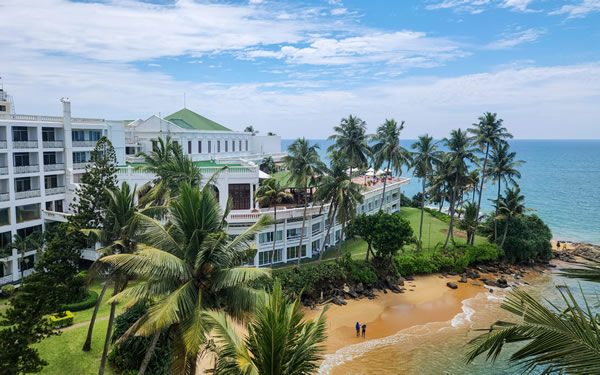
Mount Lavinia Beach
Mount Lavinia Beach, just south of Colombo, is the ideal spot for relaxation. The beach is a hub of activity in the late afternoon sun. To unwind the day you may stroll along the stretch of coastline.
Mount Lavinia Beach is a main sea-bathing spot near Colombo.
Pay a visit to the Sea Turtles Conservation Centre and you may like see how the tiny creatures with flippers move around in water . This small beach side rescue centre raises turtles from eggs bought from locals as well as nursing injured turtles back to health. Stroll along and sip some beer from the beach-side bars.
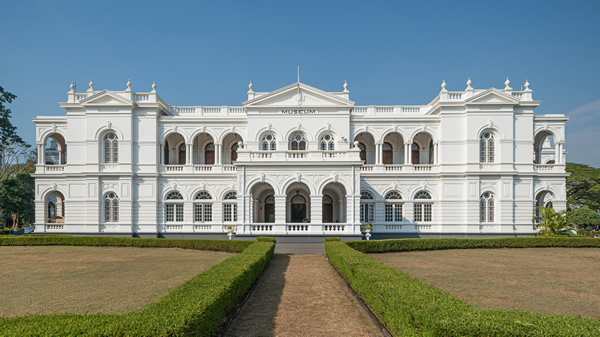
Colombo National Museum
The Colombo National Museum, also known as the Sri Lanka National Museum, is a museum in Colombo and the largest in Sri Lanka. Founded in 1877 and maintained by the Department of National Museums, it archives collections of exhibits of significant importance to Sri Lanka, such as the regalia of the Kandyan monarchs, as well as many other exhibits relating the country’s cultural and natural heritage.
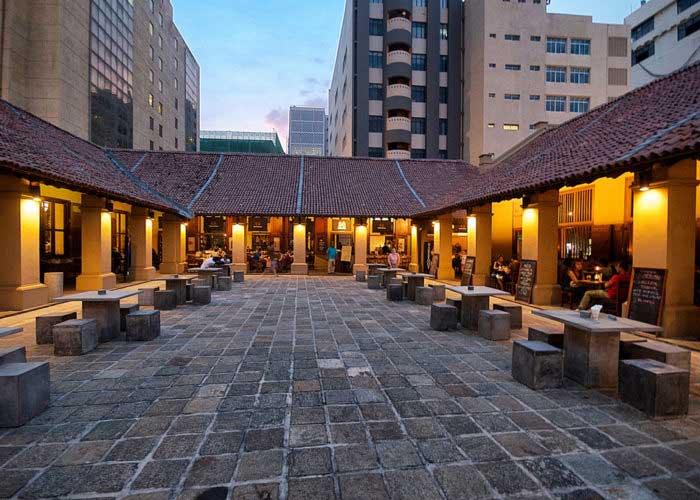
Dutch Hospital Colombo
The building was built as a hospital by the Dutch; it has been used for several different purposes, over the years. It is believed to have existed since 1681. The Dutch established the Colombo Hospital to look after the health of the officers and other staff serving under the Dutch East India Company
The building reflects seventeenth-century Dutch colonial architecture.
In 2011, it has been transformed by Urban Development Authority into a shopping and dining precinct, where the historic architecture has been preserved.
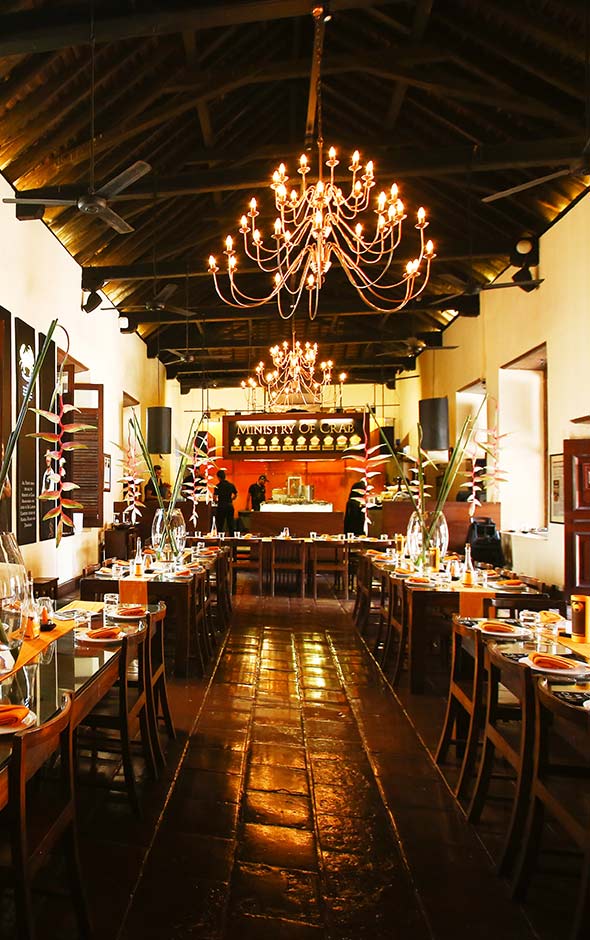
Ministry of Crab was created and housed in the Dutch hospital prescient since 2011, as a culinary homecoming of Sri Lanka’s legendary mud crab, which has long gained popularity outside of the island for decades.
The Ministry of Crab takes the freshness of the ingredients seriously by incorporating a daring no-freezer policy. Select your crab dish from the infamous printed ‘yellow menu’ for a cheery evening.